Monarch Wildlife Cruises
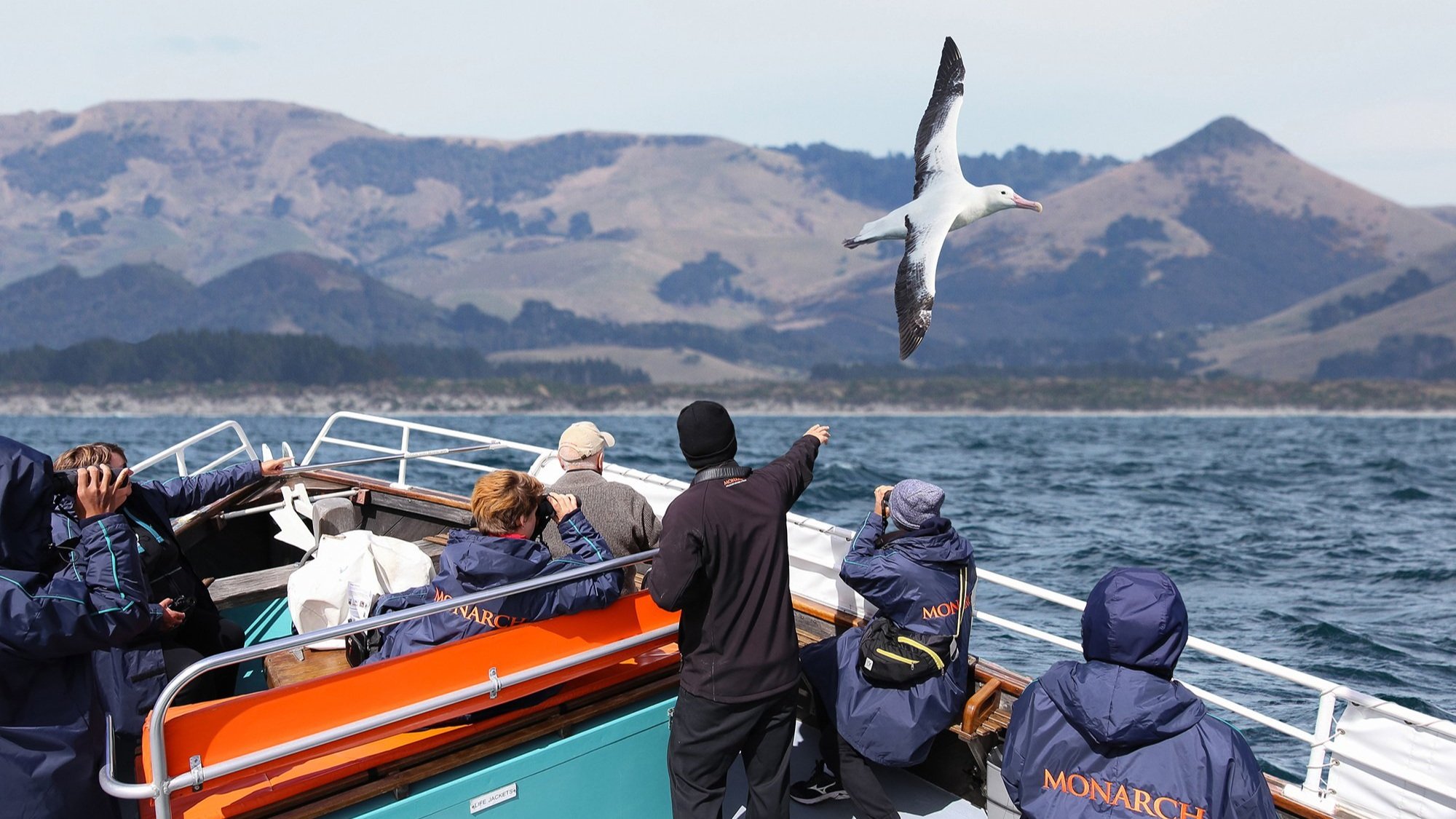
For more than 40 years, Monarch Wildlife Cruises has been helping visitors discover the incredible wildlife of the Otago Peninsula. Whether you're exploring by land or heading out onto the water, every experience is led by passionate local guides who know these coastlines inside out. With nature leading the way, no two tours are ever the same.
One of the highlights of a Monarch cruise is the sheer diversity of wildlife you can encounter. The most common sightings include majestic Northern Royal Albatross, New Zealand fur seals, sea lions and little blue penguins, but that's only the beginning. Depending on the season and a little luck, you may also spot playful dolphins, migrating humpback whales, southern right whales, or even orca. Add in mollymawks, petrels and a host of other seabirds, and every cruise offers something different.
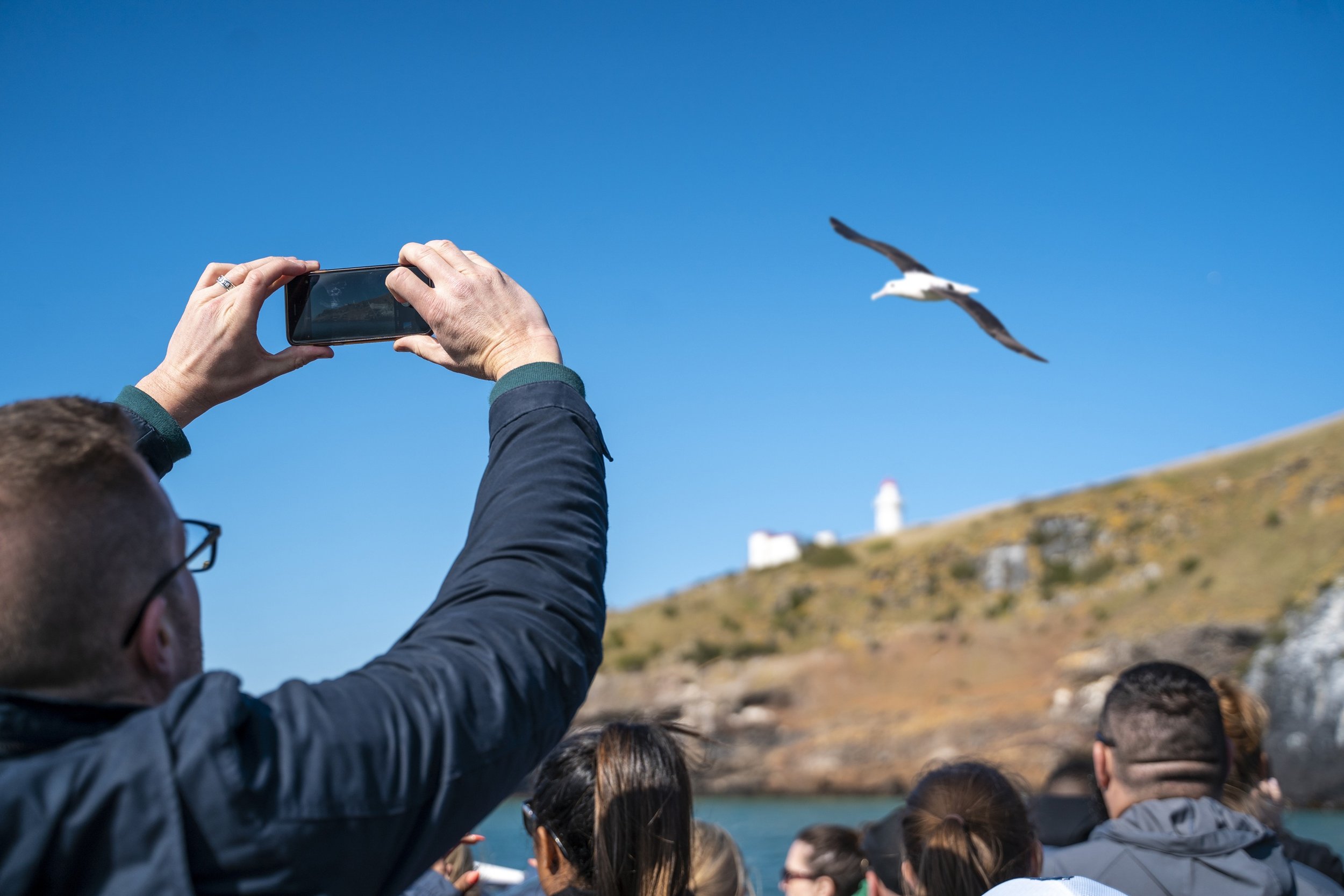
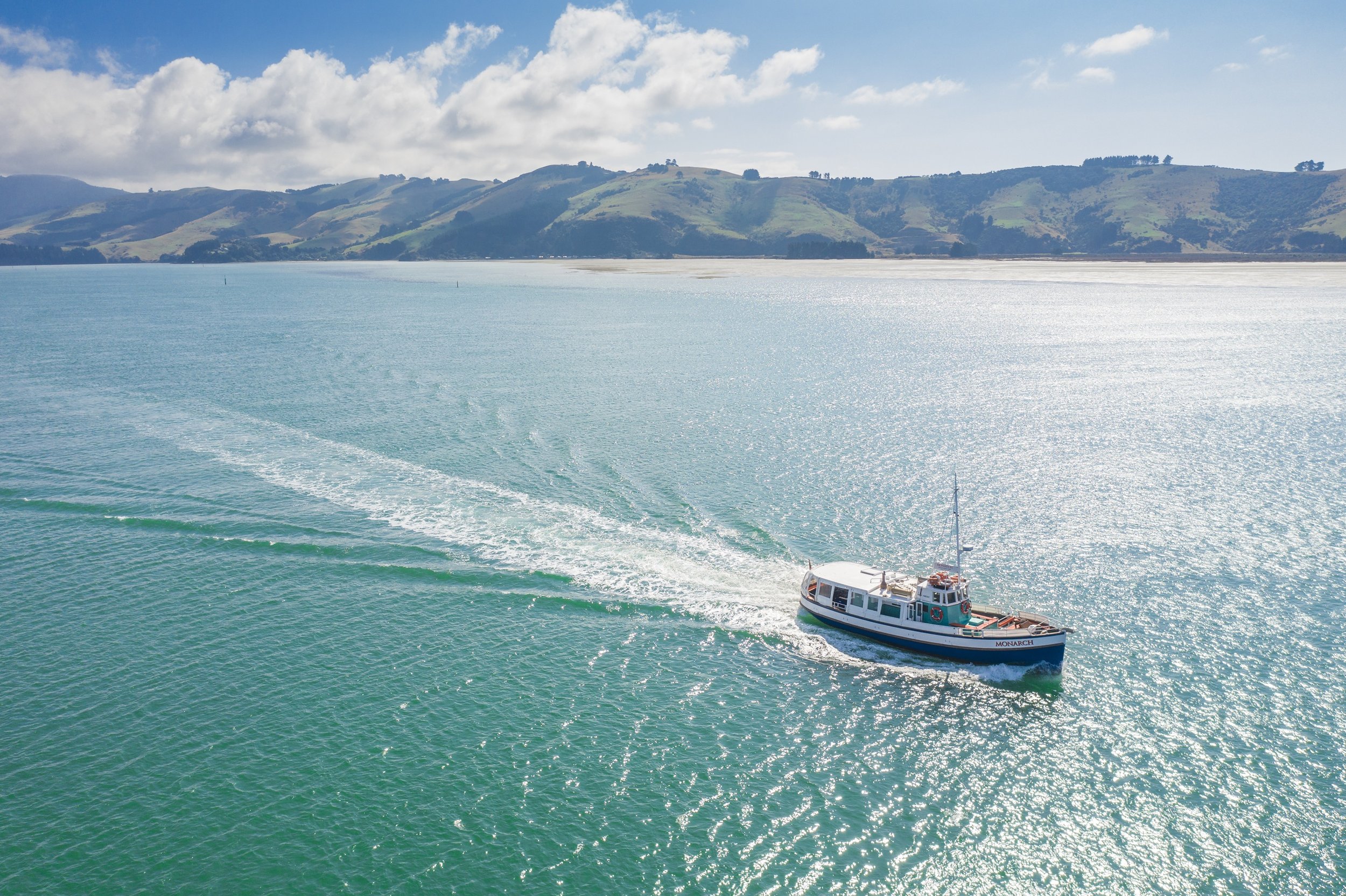
Conservation is at the heart of Monarch's operation. Through responsible wildlife viewing and education, the team helps thousands of visitors each year better understand the importance of protecting our marine environment. They also contribute to native tree planting and support conservation projects through their sister organisation, OPERA (Otago Peninsula Eco Restoration Alliance).
One of the team's greatest rewards has been witnessing the return of New Zealand sea lions to breed along the Otago coast. After decades on the water, they've seen first-hand how long-term conservation efforts can help wildlife recover, and love sharing these success stories with visitors.
Fun Fact: Northern Royal Albatross have the largest wingspan of any seabird in the world, stretching over three metres. They can spend years at sea before returning to Taiaroa Head to raise just one chick every two years.
Top Tip: Bring a warm layer, even in summer. Weather on the water can change quickly, and remember that every cruise is a genuine wildlife experience, so every trip is unique.
Best Time to Visit: There's no bad time to visit. Summer brings nesting seabirds and active seal colonies, autumn often has calm seas, winter is excellent for migrating whales and spectacular seabird viewing, while spring marks the beginning of another busy breeding season.